Editore: Ground Srl, Roma (Italy)
Lawrence Alma-Tadema
Classic Style Expo, Woman, Romanticism
€39.00 - €78.00
Lawrence Alma-Tadema - € 39: cm 33x48 (13x19") 35389-530937-2525544
€39.00 (In Stock)
Lawrence Alma-Tadema - € 39: cm 33x48 (13x19") 35389-530937-2525544
€39.00 (In Stock)
With a focus on texture and light, Alma-Tadema’s paintings capture the elegance and sensuality of the ancient past, blending Victorian precision with Neoclassical grandeur.
- Collection: Expo "Discovering Alma-Tadema", Rome
- Title:
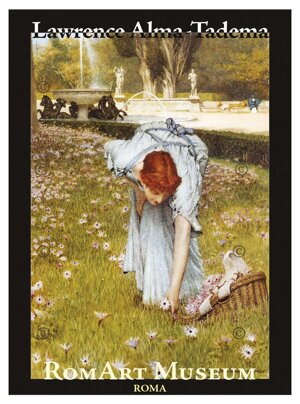
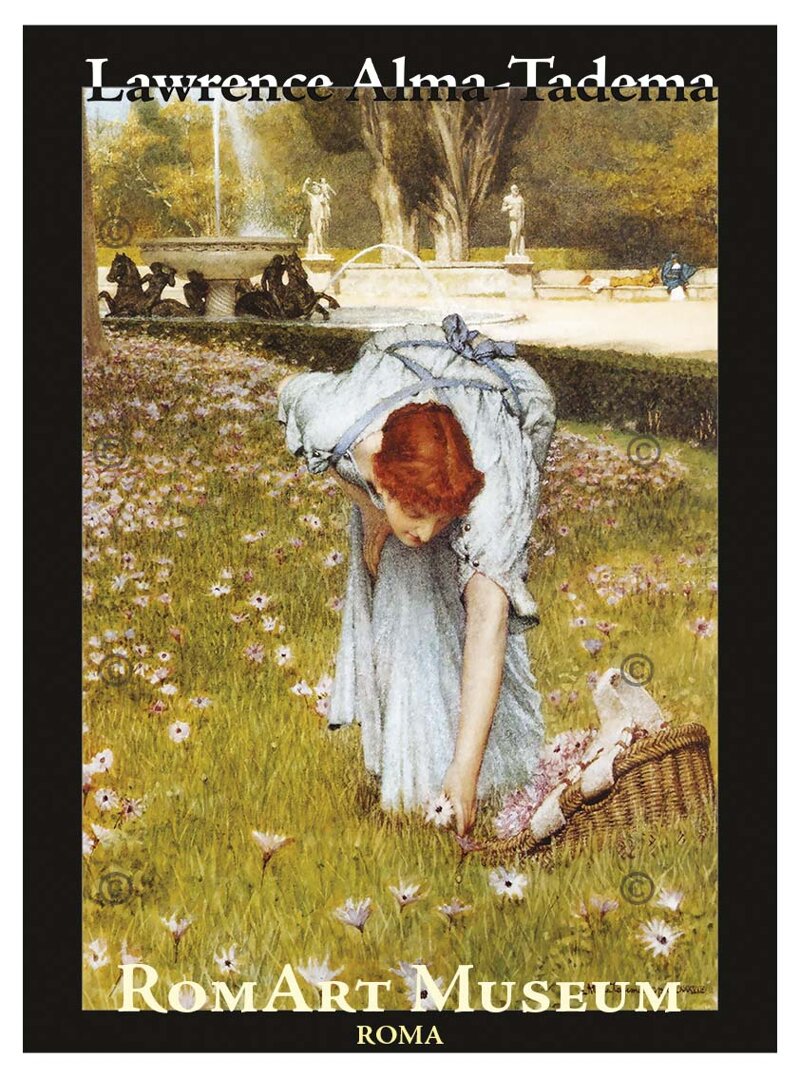
Flora Spring in the Gardens of the Villa Borghese
- Artist: Lawrence Alma-Tadema
-
Exclusive
restoration: Titus Ars
- Exclusive publisher: © Ground Srl, Rome (Italy)
- Material: Cardboard / cartoncino
- Optional frame: gold, black, white
- Print run /tiratura: only 88 units
- Edition: numbered and limited
-
Certificates: stamp, guarantee label
- Shipping/sped.: trackable courier
- Delivery/consegna: average 4 days
Super Guarantee / Super Garanzia
♥ - 'Unconditional Free Exchange': after your purchase you have 12 months (not just a few days!) to request a free replacement of your purchases. Read the terms and conditions about our excellent guarantees.
♥ - 'Unconditional Free Exchange': dopo l'acquisto hai ben 12 mesi di tempo (non solo pochi giorni) per chiedere la sostituzione gratuita dei tuoi acquisti. Leggi i termini e le condizioni sulle nostre eccellenti garanzie.
PRICES / PREZZI - Vat / Iva included
€ 39: cm 33x48 (13x19")
€ 78: cm 50x70 (19,6x27,5")
About
Lawrence Alma-Tadema
art
♥
- Sir Lawrence Alma-Tadema was a Dutch classical-subject painter. He became famous for his depictions of the luxury, with languorous figures set in fabulous marbled interiors or against a backdrop of dazzling blue Mediterranean Sea and sky (1836-1912).
lma-Tadema’s paintings are renowned for their opulent depictions of the ancient world, particularly ancient Rome and Greece.
Known for works like The Roses of Heliogabalus (1888) and Acoetes (1898), Alma-Tadema’s art is characterized by exquisite detail, vibrant color, and a keen sense of historical accuracy. His scenes often feature luxurious interiors, classical architecture, and idealized figures, evoking a sense of timeless beauty and decadence.
With a focus on texture and light, Alma-Tadema’s paintings capture the elegance and sensuality of the ancient past, blending Victorian precision with Neoclassical grandeur.



Editore: Ground Srl, Roma (Italy)